New
🌟️Summer 2026 Camps Now Enrolling — Ages 5-12 in Bellevue & Bothell
Enroll Now
Save
Book 2+ camps this summer — families save up to $800
Pricing
$50 off
🤝Bring a friend, both families save $50 — no code needed
Pricing
Camps

Game Design Program “Play, Design, Think” — Bothell, Jul 6–10

Your child invents an original board or card game from scratch — cardboard, tokens, hand-written rules, the works — with zero screen time, all week long. Every idea starts as a sketch in the Designer Notebook before a single piece gets cut. They playtest with classmates, rewrite rules that don’t work, and on the final day, you sit down and actually play the game they designed. What looks like a week of play is actually deep problem-solving in disguise.

Enroll Now

Game Design Program “Play, Design, Think” Summer Camp

Picture this: on Friday afternoon, your child hands you a board game they built from scratch — a real board with hand-drawn spaces, a stack of cards with original creatures on them, a bag of tokens, and a set of rules they wrote and rewrote until every edge case was covered. They look you in the eye and say, “Okay, here’s how you play.” And it works. The game is balanced, the turns make sense, and you can tell that somebody thought hard about what makes it fun for both players, not just the one who designed it.

That’s what this camp builds toward. But the real learning happens in the messy middle — the four days before the showcase.

What Your Child Will Do

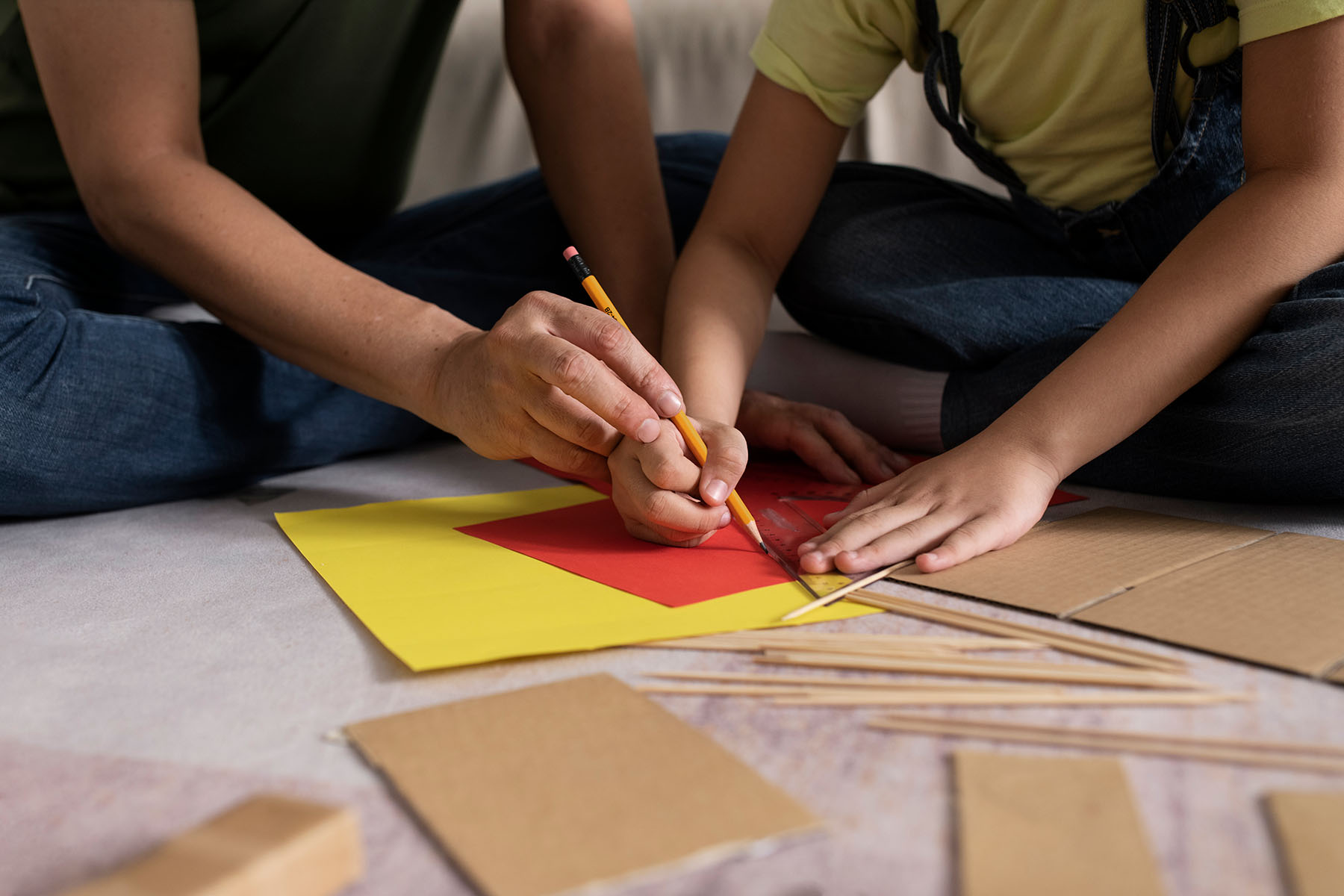
  • Design an original game from nothing. No templates, no kits. Your child starts with a blank table and a question: “What kind of game do you want to exist?” By the end of the week, they have a fully playable board game or card game made from cardboard, markers, dice, and hand-cut tokens.
  • Write rules that actually work. Writing game rules is a form of logical thinking most kids have never tried. If a rule is unclear, the playtester will find the hole — every time. Your child learns to write precisely, anticipate confusion, and close loopholes. It is the same skill behind writing good instructions, clear essays, and eventually, working code.
  • Playtest and iterate like a real designer. Every afternoon, kids swap games and play each other’s creations. This is the honest check — a game either works or it doesn’t, and the players will tell you exactly where it broke. Your child learns to hear feedback without taking it personally, and to treat “this part is confusing” as useful information, not criticism.
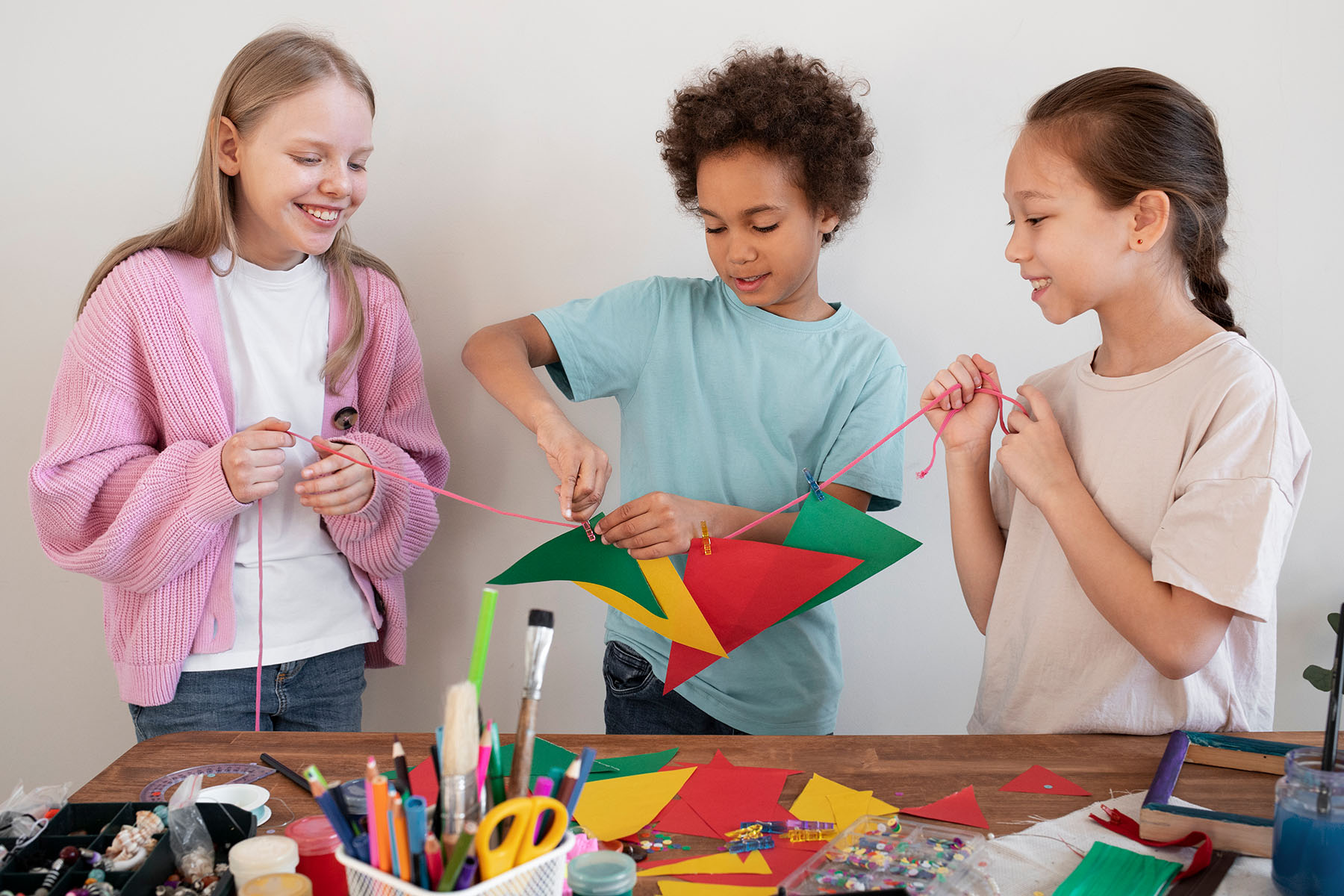
  • Rotate through every role. Over the week, every child works as Artist (designing the board, cards, and pieces), Rules Writer (writing and revising the instructions), and Tester (playing others’ games and giving structured feedback). They discover which part of the creative process lights them up — and they might surprise you.
  • Present their finished game to parents. On the final day, families sit down and play the games their children designed. Your child teaches you the rules, watches you play, and fields your questions. This is not a poster on the wall — it is a live, interactive demonstration of everything they built.

Why This Camp?

There are no screens in this program. Not as a gimmick — because the work is better without them. Cardboard is faster to prototype with than software. Hand-drawn cards carry more personality than digital ones. And when your child writes rules on paper, crosses out a sentence, and rewrites it clearer, they can see their own thinking improve in real time.

Underneath the cardboard and markers, your child is practicing systems thinking (how do all the pieces of a game connect?), Theory of Mind (what will another player think when they read this card?), and iterative design (make it, test it, fix it, test it again). These are the same skills professional game designers, engineers, and product developers use every day — just with friendlier materials.

ThinkAhead Lab’s challenge system means your child picks their own difficulty level. A confident 8-year-old can design a strategy game with multiple win conditions. A cautious 12-year-old can start with a simple card game and add complexity as they go. Both choices are respected. There is no single right answer — just the game your child is ready to build.

Prerequisites: None. Your child should be comfortable reading and writing short sentences (needed for rule-writing). No prior game design or art experience required — we provide all materials and teach every technique from scratch.
Day Schedule:

Camp runs Monday through Friday, 9:00 AM – 4:00 PM. Here is what a typical day looks like:

Here is what a typical day looks like at Game Design camp. Every day follows the same rhythm so your child knows what to expect, but the creative work deepens as the week progresses.

9:00–9:15: Arrival and Warm-Up — Your child settles in, reconnects with yesterday’s game project, and reviews their Designer Notebook plan for the day.

9:15–9:45: Game Mechanics Exploration — Each morning opens with a mystery or challenge that introduces a new game design concept: turn structure, risk vs. reward, catch-up mechanics, or how to write a rule that a stranger can follow. Your child plays short example games and pulls apart what makes them work.

9:45–10:45: Morning Build Session — The longest creative block of the morning. Your child works on their game at their chosen challenge level — designing the board, writing rules, crafting cards, or building tokens. The instructor circulates and asks questions (“What happens if both players land here at the same time?”) rather than giving answers.

10:45–11:15: Snack and Outdoor Break — Time to recharge, run around, and let ideas settle. Some of the best design breakthroughs happen right after a brain reset.

11:15–12:15: Playtesting Round 1 — Your child swaps games with a classmate and plays their creation. Testers fill out simple feedback cards: “One thing that worked. One thing that confused me.” This is the honest check — the game either makes sense or it doesn’t, and the playtesters will find every gap.

12:15–1:00: Lunch Break — Time to eat, talk about what they are building, and come back with fresh eyes.

1:00–2:15: Afternoon Build Session — The deepest creative block. Your child revises their game based on morning playtesting, works on art and design, writes clearer rules, and adds new elements. This is where the biggest leaps happen — when a confusing rule becomes airtight, or when a boring middle section gets a new mechanic that changes everything.

2:15–2:45: Snack and Outdoor Break — A second reset. By this point in the week, your child is fully absorbed in their project.

2:45–3:20: Playtesting Round 2 and Role Rotation — Another round of testing, this time with a different classmate. Roles rotate throughout the week: today’s Artist becomes tomorrow’s Rules Writer and the next day’s Tester. Every child experiences every part of the process.

3:20–3:45: Show and Tell and Reflection — Your child demos their progress, and classmates practice “Slow Look” — naming one detail they almost missed. Then everyone records what they learned today and what they want to tackle tomorrow.

3:45–4:00: Pack-Up and Pickup — Projects are stored safely for tomorrow. Your child is ready for pickup at 4:00.

“I signed my son up because it said ‘no screens’ and I figured, worst case, he would spend a week doing arts and crafts. By Wednesday he was at the dinner table explaining why his game needed a ‘catch-up mechanic’ so the player in last place still had a chance. I don’t even know where he learned that phrase, but he used it correctly. On Friday, we played his game and it was genuinely fun — like, my husband and I were actually competing. That’s not what I expected from a kids’ camp.”

— Rachel M., Bellevue

“My daughter is the kind of kid who usually says ‘I’m done’ after ten minutes. At this camp, she rewrote her rules four times because the playtesters kept finding problems. Not because an adult told her to — because she wanted it to work. She came home and made her little brother play the game every night for a week. Watching her teach the rules with that level of confidence was honestly the best part.”

— David K., Redmond

“I’ll admit I was skeptical — a game design camp with no computers? But when I sat down on the last day and my son handed me a deck of cards with hand-drawn creatures and said ‘okay, here are the rules,’ I got it. He had thought about every detail: what happens on a tie, how many cards you draw, why one creature is stronger but costs more to play. He was thinking in systems. That’s not something I expected from a week of ‘playing games.’”

— Priya S., Kirkland

Your child should bring:

  • A water bottle (refill station available)
  • Lunch and a morning snack (afternoon snack provided)
  • Comfortable clothes they don’t mind getting marker on
  • A creative mind and willingness to try things that might not work the first time

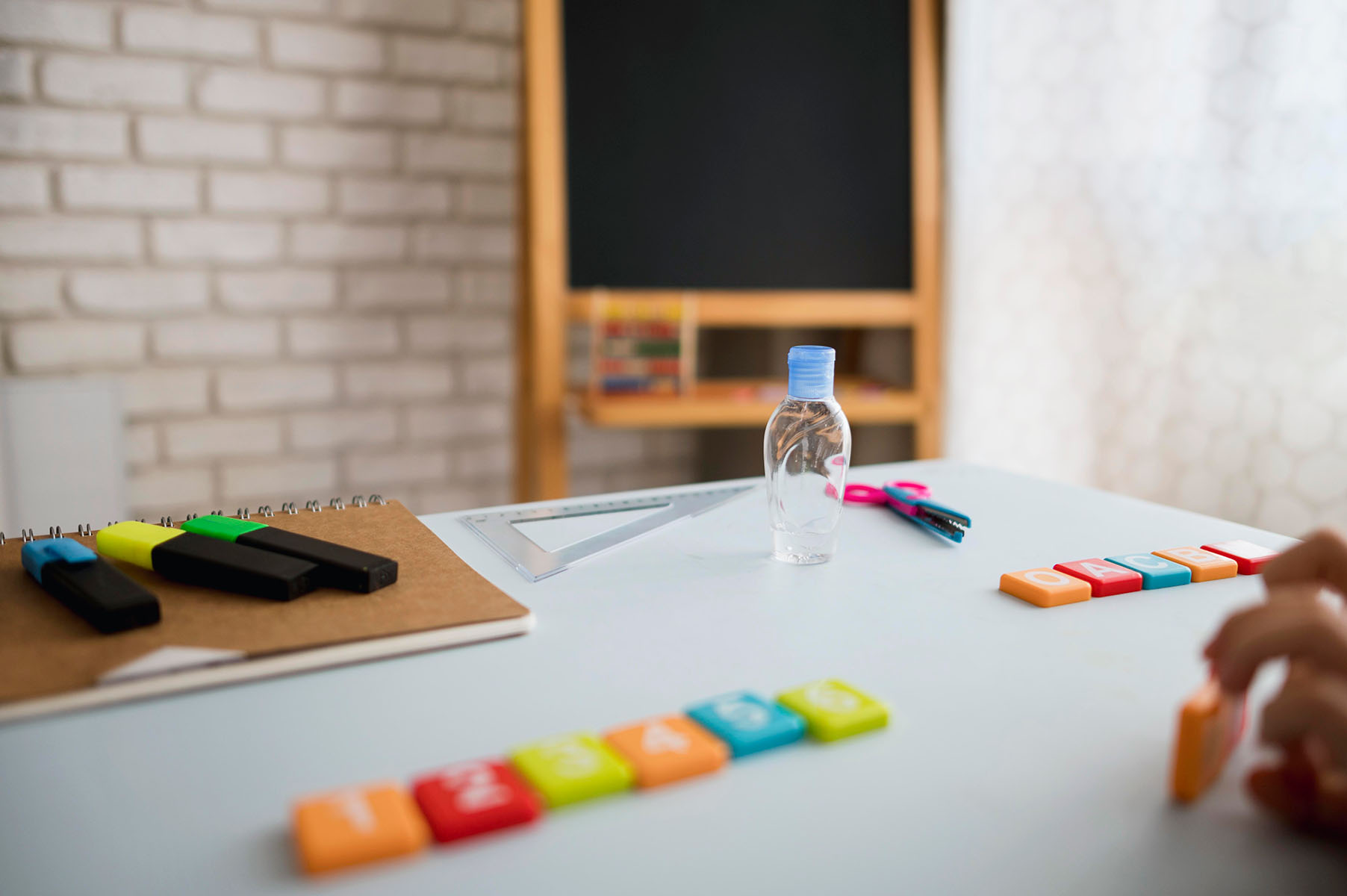
All game-making materials are provided — cardboard, card stock, markers, colored pencils, dice, tokens, glue, scissors, rulers, and anything else your child needs to bring their game to life. There is nothing extra to buy or prepare.

Safety and Well-being

Your child’s safety is our first priority. This camp uses no electrical equipment, no power tools, and no screens — just hands-on craft materials.

Scissors are the sharpest tool in the room, and younger children are supervised closely during cutting activities. All materials are non-toxic and age-appropriate.

Our instructors maintain a low student-to-teacher ratio and are trained to create an environment where every child feels safe to take creative risks — to share a half-finished idea, to hear honest feedback from a playtester, and to try again when something doesn’t work. We take inclusivity seriously: every child’s game idea is treated with respect, and every role (Artist, Rules Writer, Tester) is valued equally.

If your child has any allergies, medical needs, or accommodations we should know about, please note them during registration or contact us directly.

What Your Child Will Gain:

By the end of the week, your child will walk away with more than a finished game. Here is what they will carry with them:

  • Systems thinking. Your child will understand how the pieces of a system connect — how changing one rule ripples through the entire game. This is the same thinking used in engineering, product design, and software development.
  • Clear, logical communication. Writing game rules that a stranger can follow is one of the hardest writing exercises there is. Your child will practice writing precisely, anticipating questions, and revising until the instructions actually work.
  • Theory of Mind. Designing a game that is fun for someone else requires understanding how other people think, what confuses them, and what motivates them. Your child will practice stepping into another player’s perspective — a skill that transfers directly to teamwork, persuasion, and empathy.
  • Creative iteration. Your child will learn that the first version is never the final version — and that making it better is the most satisfying part. They will build the habit of testing, getting feedback, and improving, rather than calling it “done” after the first try.
  • Confidence presenting their work. On the final day, your child teaches their game to a real audience — explaining the rules, fielding questions, and watching people play something they created. That experience builds a kind of confidence that no worksheet can replicate.
<p>By the end of the week, your child will walk away with more than a finished game. Here is what they will carry with them:</p>
<ul>
  <li><b>Systems thinking.</b> Your child will understand how the pieces of a system connect — how changing one rule ripples through the entire game. This is the same thinking used in engineering, product design, and software development.</li>
  <li><b>Clear, logical communication.</b> Writing game rules that a stranger can follow is one of the hardest writing exercises there is. Your child will practice writing precisely, anticipating questions, and revising until the instructions actually work.</li>
  <li><b>Theory of Mind.</b> Designing a game that is fun for someone else requires understanding how other people think, what confuses them, and what motivates them. Your child will practice stepping into another player's perspective — a skill that transfers directly to teamwork, persuasion, and empathy.</li>
  <li><b>Creative iteration.</b> Your child will learn that the first version is never the final version — and that making it better is the most satisfying part. They will build the habit of testing, getting feedback, and improving, rather than calling it "done" after the first try.</li>
  <li><b>Confidence presenting their work.</b> On the final day, your child teaches their game to a real audience — explaining the rules, fielding questions, and watching people play something they created. That experience builds a kind of confidence that no worksheet can replicate.</li>
</ul>

Location

Ukrainian Cultural Center Toloka, 1940 124th Ave NE A108/A109, Bellevue, WA 98004
We are excited to partner with Ukrainian Cultural Center Toloka to bring this amazing camp to life!

Visit our Parent FAQ Page.

Key Details

Ages

8-12 years

Location

Bothell Branch, Canyon Park East

Price

$575 $675

start dateend date

06 Jul – 10 Jul 2026

Times

9:00 am – 4:00 pm

Days

Mon, Tue, Wed, Thu, Fri

Meet the Instructors

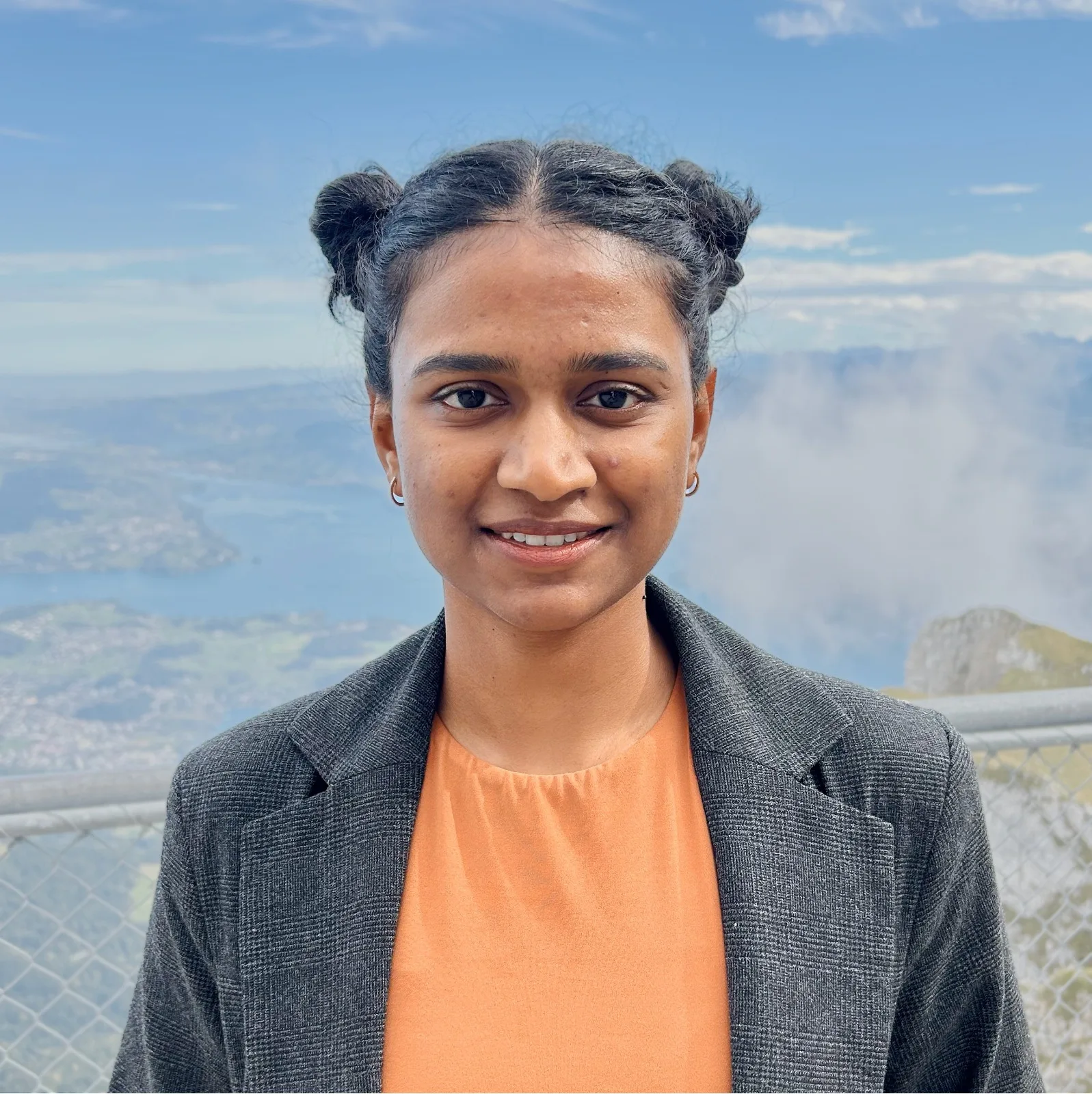
Sindhu Raju

STEM Teacher

Hi, my name is Sindhu, and I’m excited to guide your child through the exciting world of 3D printing and creativity! As a passionate sustainable designer and a teacher/assistant at ThinkAhead Lab, I believe there are no mistakes in art—only opportunities for unique solutions. I love inspiring kids to explore their creativity and discover their own design potential.

A little about me: On weekends, you’ll often find me traveling, hiking, or upcycling household waste into fun and functional items. I also have a love for colorful things that brighten up life! And I enjoy 3D printing miniature scale models.
Fun fact: I’m always on the lookout for cool DIY projects and ways to make old things new again!
I’m super excited to dive into a fun and creative 3D printing journey with your little innovators!

#Teacher
icon

Secure your spot today. Booking multiple camps? Families save up to $800!

Similar Camps